Back
Deployment 01
Bringing Control to AI-Driven Software Delivery
How a distributed engineering organization aligned requirements, code, and releases in real time using a continuous SDLC governance layer.
220 engineers · 12 squads · AI-assisted development · 4-month rollout
01
Discovery
Where Delivery Was Quietly Breaking
Cubyts connected across the SDLC and exposed where speed was creating misalignment.
Systems Detected & Mapped
Jira · GitHub · CI/CD · Confluence · Test suites · Cloud
Key Signals
- 31% PRs required rework after review
- 24% features drifted from intent
- 19% sprint capacity spent on fixes
- AI code lacked system awareness
Where Time Was Lost
- PR rework loops
- Requirement to code misalignment
- Late test failures
- Release surprises
Opportunity Map
| Workflow | Automation | Impact |
|---|---|---|
| PR Validation | High | Reduce rework |
| Req → Code Alignment | High | Prevent drift |
| Test Risk Detection | Medium | Improve quality |
| Release Checks | High | Avoid failures |
02
Setup
Turning Tribal Engineering Knowledge into a System
Cubyts translated implicit practices, rules, and dependencies into a continuously executable governance layer.
Context Compilation
- PR standards and workflows converted into rules
- Dependency graph built across services and APIs
- Historical patterns used to define risk
Unwritten Rules Captured
- Critical services require test coverage
- Schema changes must validate downstream impact
- Hotfixes require post-merge audit
System Integration
- Real-time sync with Jira, Git, CI/CD
- No migration required
- Continuous context updates
Agent Configuration
- PR thresholds
- Drift detection
- Release gating
- Escalation rules
03
Team Views
What Changed in the Way Teams Work
Governance moved from audits and reviews into the flow of daily engineering work.
Developer View
- Real-time PR feedback
- Context-aware suggestions
- AI code validation against system
Manager View
- Sprint health visibility
- Rework tracking
- Feature alignment
Leadership View
- Delivery predictability
- System-wide drift signals
- Execution visibility
Impact
- Fewer review cycles
- Reduced integration failures
- Higher release confidence
04
Under the Hood
How Governance Runs Without Slowing Engineers
A continuous control layer that observes, predicts, and corrects drift as work happens.
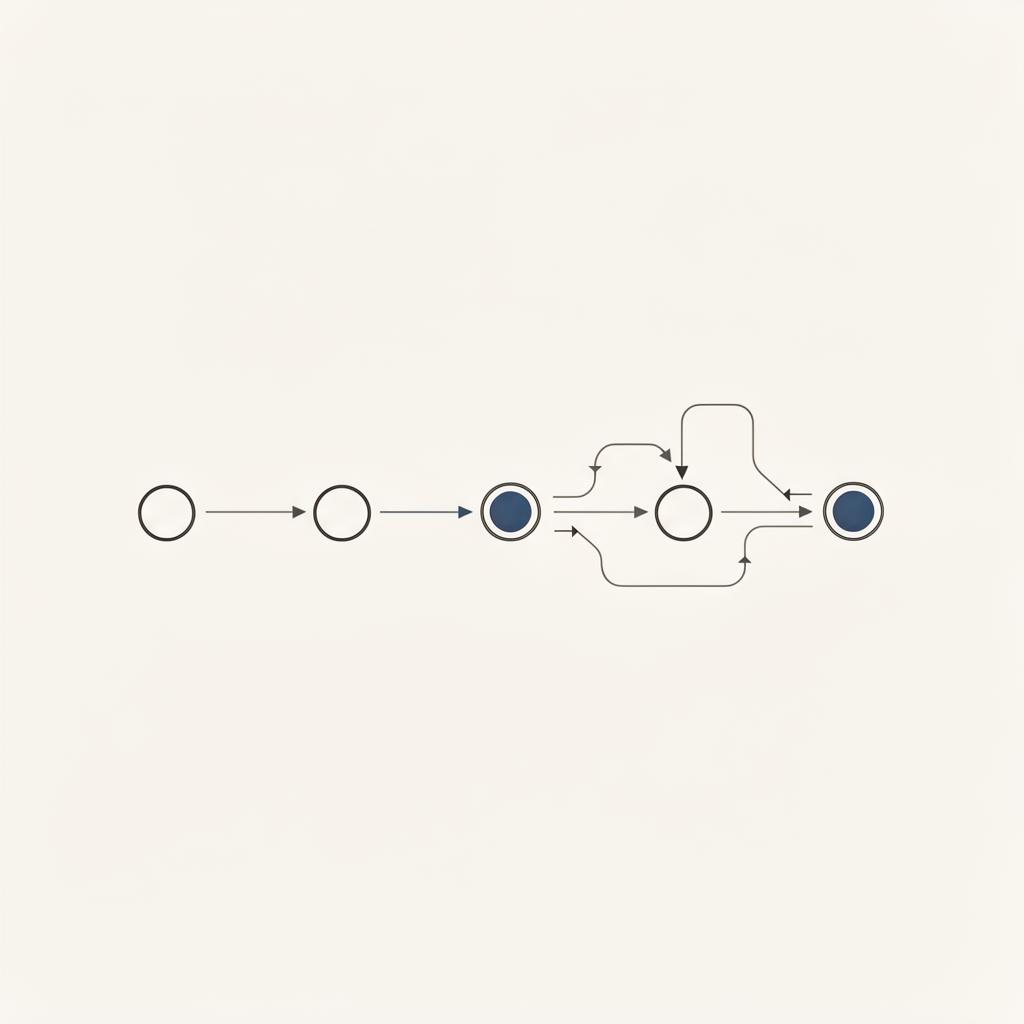
How It Works
- 1.PR created
- 2.Context graph evaluates dependencies and intent
- 3.Agents detect drift or risk
- 4.Suggestions or auto-fixes applied
- 5.Context updated system-wide
Agent Behavior
- Monitors commits, PRs, pipelines
- Predicts downstream impact
- Flags risks early
- Auto-resolves low-risk issues
Feedback Loop
- Human corrections improve system
- Rules evolve automatically
- Governance strengthens over time
Change Detection
- Schema changes tracked
- New services mapped
- Context always current
05
Outcomes
From Reactive Delivery to Predictable Execution
Within months, governance shifted from late-stage correction to continuous alignment.
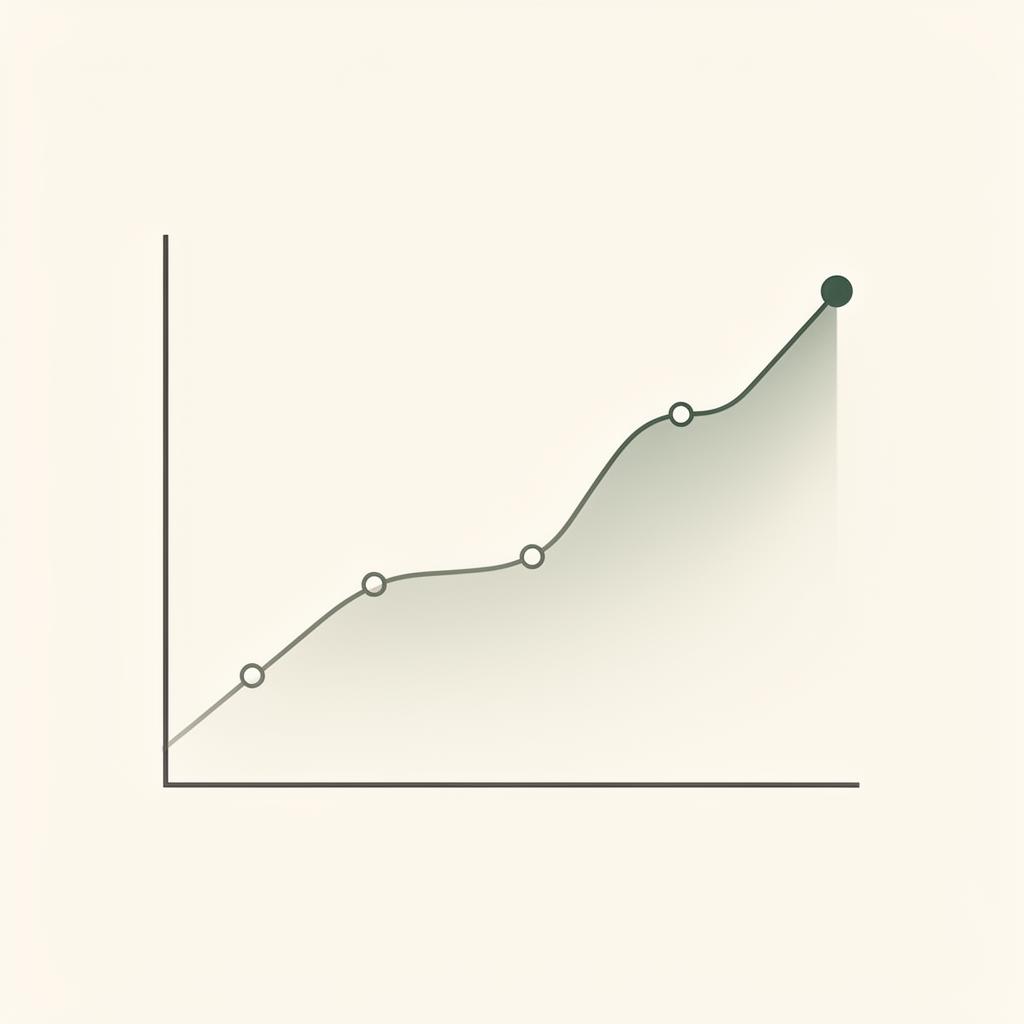
| Metric | Before | After |
|---|---|---|
| PR Rework | 31% | 14% |
| Feature Drift | 24% | <10% |
| Iterations per Feature | 2.7 | 1.5 |
| AI Code Correction | High | ↓ 40% |
| Release Issues | Frequent | Rare |
System Impact
- Continuous alignment across SDLC
- Early risk detection
- Stable releases
Team Impact
- Less firefighting
- Faster cycles
- Higher confidence
ROI Summary
- Reduced engineering waste
- Faster delivery
- Controlled AI output quality